• $

The Comprehensive Guide to Hair Loss: Causes, Treatments, and Emerging Solutions

Introduction: Understanding the Scope of Hair Loss

Hair loss represents one of the most common medical conditions worldwide, affecting an estimated 80 million people in the United States alone. Beyond its physical manifestations, hair loss carries significant psychological impact, often linked to diminished self-esteem, social anxiety, and in severe cases, clinical depression. The quest to understand, treat, and prevent hair loss spans centuries—from ancient Egyptian concoctions to modern AI-designed pharmaceuticals—reflecting humanity's enduring preoccupation with maintaining a healthy head of hair.

In recent years, remarkable advancements in dermatology, molecular biology, and regenerative medicine have revolutionized our approach to hair loss. What was once considered an inevitable consequence of aging or genetics is now viewed as a manageable condition with an expanding arsenal of treatment options. This comprehensive guide explores hair loss from multiple perspectives: the biological mechanisms underlying different forms of alopecia, evidence-based conventional treatments, groundbreaking emerging therapies, practical management strategies, and the exciting future of hair restoration.

Understanding hair loss requires appreciating the complex interplay of genetics, hormones, environmental factors, and lifestyle choices that influence hair health. Whether you're among the 50% of men affected by male pattern baldness by age 50, part of the 25% of women experiencing female pattern hair loss by menopause, or among those with temporary hair loss due to medical treatments or stress, this guide provides scientifically-grounded information to help you make informed decisions about prevention and treatment.

1. The Biology of Hair and Understanding Hair Loss

1.1 The Hair Growth Cycle

Hair follicles undergo a continuous cycle of growth, rest, and shedding—a process that occurs in three distinct phases:

  • Anagen (Growth Phase): This active growth period typically lasts 2-7 years, during which hair follicles produce new hair shafts. Approximately 85-90% of scalp hairs are in the anagen phase at any given time. The duration of this phase largely determines maximum hair length.

  • Catagen (Transition Phase): A brief 2-3 week transitional period when hair growth ceases, and the follicle prepares for rest. The lower portion of the follicle regresses during this phase.

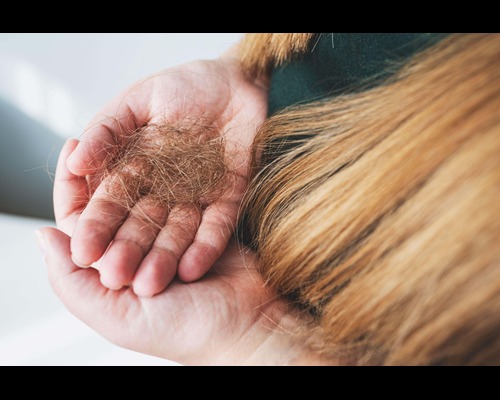
  • Telogen (Resting Phase): Lasting approximately 3 months, this phase concludes with the shedding of the hair shaft. Normally, about 10-15% of hairs are in the telogen phase, with most people shedding 50-100 hairs daily as part of this natural cycle .

This cyclical regeneration process can be disrupted by various factors, including hormonal changes, medical conditions, medications, and nutritional deficiencies, leading to different types of hair loss.

1.2 Types and Patterns of Hair Loss

Androgenetic Alopecia (Pattern Hair Loss)

Androgenetic alopecia represents the most common form of hair loss, affecting both men and women through a characteristic pattern of hair thinning:

  • Male Pattern Baldness: Typically begins with a receding hairline at the forehead or thinning at the crown, gradually progressing to partial or complete baldness. This pattern results from a combination of genetic predisposition and the influence of androgens, particularly dihydrotestosterone (DHT), which miniaturizes susceptible hair follicles over time .

Alopecia Areata

Alopecia areata is an autoimmune condition in which the body's immune system mistakenly attacks hair follicles, resulting in sudden, often circular patches of hair loss. This condition affects approximately 6.8 million people in the United States and can progress to complete scalp hair loss (alopecia totalis) or total body hair loss (alopecia universalis) in severe cases

. The onset is frequently sudden, and the affected skin may appear smooth with no visible signs of inflammation or scaling.

Telogen Effluvium

This form of temporary hair loss occurs when a significant physical or emotional stressor precipitates a large number of hair follicles into the telogen (resting) phase simultaneously. Within 2-3 months of the triggering event, affected individuals experience noticeable shedding, particularly during washing or brushing. Common triggers include surgery, significant weight loss, high fever, emotional trauma, childbirth, and certain medications

. Unlike pattern hair loss, telogen effluvium typically resolves once the underlying stressor is addressed.

Other Forms of Hair Loss

  • Traction Alopecia: Caused by prolonged tension from tight hairstyles such as braids, ponytails, or cornrows .

Table: Comparison of Major Hair Loss Types

TypePrimary CausePatternReversibility
Androgenetic AlopeciaGenetics, HormonesPatterned thinningOften manageable but not fully reversible
Alopecia AreataAutoimmunePatchy bald spotsSometimes spontaneous regrowth, can be recurrent
Telogen EffluviumStress, Medical triggersDiffuse sheddingUsually temporary and reversible
Traction AlopeciaPhysical tensionAreas of pullingReversible if caught early, permanent with chronic tension
Anagen EffluviumChemotherapy, ToxinsRapid, diffuse lossUsually temporary

2. Causes and Risk Factors for Hair Loss

2.1 Genetic Predisposition

Hereditary factors play a dominant role in androgenetic alopecia, with research indicating that genes can be inherited from both maternal and paternal lineages. Multiple genes are involved, many of which affect how hair follicles respond to androgens, particularly DHT. While having a family history of baldness increases risk, expression varies significantly between individuals due to complex gene interactions and environmental influences .


2.2 Hormonal Influences

Hormonal fluctuations and imbalances represent significant contributors to various forms of hair loss:

  • Androgens: The hormone dihydrotestosterone (DHT), derived from testosterone, binds to receptors in genetically susceptible hair follicles, progressively miniaturizing them and producing shorter, finer hairs until growth ceases entirely .

  • Cortisol: Elevated levels of this stress hormone can prematurely push hair follicles into the resting phase, contributing to telogen effluvium.

2.3 Medical Conditions and Medications

Numerous health conditions and pharmaceutical treatments can adversely affect hair growth:

  • Autoimmune Diseases: Conditions such as lupus, thyroid disorders, and alopecia areata involve immune system dysfunction that can target hair follicles

  • . Chemotherapy agents are particularly known for causing dramatic, though usually temporary, hair loss.

2.4 Lifestyle and Environmental Factors

  • Stress: Both physical and emotional stress can contribute to telogen effluvium and potentially exacerbate other forms of hair loss .

3. Diagnosis and Evaluation of Hair Loss

3.1 Professional Diagnostic Approaches

Determining the specific cause of hair loss requires a comprehensive evaluation, typically including:

  • Medical History Assessment: Discussion of family history, medication use, recent illnesses or surgeries, nutritional habits, and hairstyling practices to identify potential contributing factors .

3.2 Self-Assessment and Early Warning Signs

Recognizing early indicators of problematic hair loss can prompt timely intervention:

  • Increased Shedding: Finding noticeably more hair on your pillow, in your hairbrush, or in the shower drain than usual .

  • Changes in Hair Density: Visible thinning, particularly at the part line or crown in women, or a receding hairline and temple thinning in men.

  • Scalp Visibility: Progressive increased visibility of the scalp through the hair, especially under bright lighting.

  • Texture Changes: Affected hairs may become finer, shorter, and more fragile in areas of thinning.

  • Itching or Tenderness: Some types of hair loss, particularly inflammatory forms, may involve scalp discomfort preceding or accompanying shedding.

4. Conventional Treatments and Medical Interventions

4.1 FDA-Approved Medications

Minoxidil (Rogaine)

  • Mechanism: Originally developed as an oral medication for high blood pressure, minoxidil's hair growth effects were discovered serendipitously. As a potassium channel opener and vasodilator, it enhances blood flow to hair follicles, potentially stimulating proliferation of dermal papilla cells and extending the anagen growth phase. The exact mechanism by which it promotes hair growth continues to be studied .

Finasteride (Propecia) and Dutasteride

  • Mechanism: These 5α-reductase inhibitors work by blocking the conversion of testosterone to DHT, the androgen primarily responsible for follicle miniaturization in genetically susceptible individuals. Finasteride specifically inhibits the type II isoenzyme, while dutasteride inhibits both type I and II isoenzymes, resulting in more comprehensive DHT suppression .

4.2 Procedural Interventions

Hair Transplantation

Modern hair transplantation techniques have evolved significantly, offering natural-looking results:

  • Follicular Unit Transplantation (FUT): Removal of a strip of scalp from the donor area (typically the back of the head), which is then dissected into individual follicular units for transplantation to thinning areas.

  • Follicular Unit Extraction (FUE): Individual follicular units are harvested directly from the donor area using tiny punches, creating minimal scarring and allowing faster recovery.

  • Artistic Considerations: Successful transplantation requires careful planning of hairline design, graft placement angle, and density distribution to achieve aesthetically natural results that age appropriately.

Low-Level Laser Therapy (LLLT)

Also known as red light therapy, LLLT utilizes specific wavelengths of light (630-670nm) to stimulate cellular activity within hair follicles. The exact mechanism continues to be studied but may involve enhanced microcirculation, reduced inflammation, and increased ATP production in follicle cells. Treatment typically involves in-office sessions or at-home devices used several times per week .


Platelet-Rich Plasma (PRP) Therapy

This regenerative approach involves drawing a small amount of the patient's blood, processing it to concentrate platelets and growth factors, and injecting the resulting preparation into the scalp. The growth factors released from platelets—including PDGF, VEGF, and FGF—may stimulate follicle regeneration and prolong the anagen phase. A 2014 study documented 30% increased hair growth in participants after PRP treatment .


4.3 Emerging Medical Treatments

JAK Inhibitors

A groundbreaking class of medications originally developed for autoimmune conditions like rheumatoid arthritis, JAK inhibitors have demonstrated remarkable efficacy in treating alopecia areata:

  • Baricitinib (Olumiant): The first FDA-approved JAK inhibitor for severe alopecia areata, showing significant regrowth in patients with ≥50% scalp hair loss, often within 3-6 months of treatment .

Table: FDA-Approved JAK Inhibitors for Alopecia Areata

MedicationTargetApproval AgeKey Trial Results
Baricitinib (Olumiant)JAK1/JAK2AdultsSignificant regrowth in severe AA, noticeable results in 3-6 months
Ritlecitinib (Litfulo)JAK3/TEC12+ yearsSelective inhibition may reduce side effects while maintaining efficacy
Deuruxolitinib (Leqselsi)JAK1/JAK2Adults65-70% achieved significant scalp hair regrowth in trials

5. Emerging and Experimental Treatments

5.1 AI-Designed Biologics

The field of hair loss treatment is being revolutionized by artificial intelligence and targeted biologic therapies:

  • ABS-201: This AI-designed injectable drug represents a novel approach by targeting the prolactin receptor, a protein not previously explored in hair loss treatment. In preclinical trials on macaques (primates that experience pattern baldness similar to humans), researchers observed full hair regrowth after six months of treatment. The medication works by shifting dormant hair follicles from the telogen phase back into the growth-promoting anagen phase, with the additional benefit of potentially reversing premature graying by repigmenting hair .

5.2 Novel Small Molecules and Stem Cell Therapies

PP405

UCLA researchers have identified a small molecule dubbed PP405 that shows remarkable potential for awakening long-dormant but undamaged hair follicles. The molecule works by inhibiting a protein that keeps follicle stem cells dormant, effectively reawakening them to produce hair. In early human trials conducted in 2023, topical application of PP405 for one week yielded statistically significant results in producing full "terminal" hair rather than the peach fuzz typically generated by other topical treatments. The researchers have co-founded Pelage Pharmaceuticals to advance this promising treatment through further clinical development .

Stem Cell Therapy

Regenerative medicine approaches utilizing stem cells represent the cutting edge of hair restoration research:

  • Dermal Papilla Cells (DPCs): These specialized mesenchymal cells play a crucial role in regulating the hair growth cycle and inducing new follicle formation. Researchers are exploring methods to expand and regenerate DPCs in laboratory settings before transplantation to balding areas .

5.3 New Topical Formulations and Natural Compounds

The treatment landscape is expanding with novel ingredients showing promising mechanisms of action:

  • Redensyl: This compound targets hair follicle stem cells and dermal papilla cells, essential components for hair growth. Its multi-component formulation includes a flavonoid from plant extracts, a glucose derivative from tea, glycerin, and zinc chloride that work synergistically to enhance follicle function and stimulate regrowth .

6. Natural Approaches and Lifestyle Interventions

6.1 Nutritional Strategies for Hair Health

A balanced diet rich in specific nutrients provides the fundamental building blocks for healthy hair growth:

  • Mediterranean Diet: A 2017 study associated this eating pattern—rich in raw vegetables, fresh herbs, lean proteins, and healthy fats—with reduced risk of androgenic alopecia. Participants who consumed abundant raw vegetables and herbs more than three days weekly showed the most significant benefits .

  • Iron-Rich Foods: This mineral plays a crucial role in DNA synthesis within hair follicle cells, with deficiency strongly linked to telogen effluvium. Excellent sources include lean red meat, poultry, fish, lentils, spinach, and fortified cereals.

  • Omega-3 Fatty Acids: Found abundantly in fatty fish, walnuts, and flaxseeds, these anti-inflammatory compounds may help create an optimal environment for hair growth.

6.2 Evidence-Based Supplements

While a balanced diet should always form the foundation of nutritional support, specific supplements may benefit those with demonstrated deficiencies or increased requirements:

  • Biotin (Vitamin B7): Essential for fatty acid synthesis within the hair growth cycle, with deficiency unequivocally linked to hair loss. However, supplementation only benefits those with actual deficiency .

  • Zinc: This trace mineral supports DNA and RNA transcription in hair follicles, essential for the rapid cell division that occurs during the anagen growth phase.

6.3 Scalp Care and Gentle Handling

Proper hair care practices can minimize breakage and reduce traction on vulnerable follicles:

  • Gentle Cleansing: Regular washing with a mild, moisturizing shampoo helps maintain scalp health without stripping natural oils. Contrary to popular belief, daily washing does not cause hair loss and may actually benefit scalp environment .

6.4 Stress Management and Holistic Approaches

  • Mind-Body Practices: Yoga, meditation, and breathing exercises can help modulate stress responses that might otherwise contribute to telogen effluvium. Specific yoga poses like downward-facing dog, forward bends, and shoulderstands may theoretically enhance blood flow to the scalp, though direct evidence for their efficacy against hair loss remains limited .

  • Adequate Sleep: Quality sleep provides essential restoration for hair follicles, which have among the highest cellular turnover rates in the body. Chronic sleep deprivation elevates cortisol levels, potentially pushing more follicles into the resting phase prematurely.

7. Living with Hair Loss: Practical and Psychological Strategies

7.1 Coping with the Emotional Impact

The psychological toll of hair loss can be profound, requiring compassionate acknowledgment and proactive management:

  • Acknowledgment and Acceptance: Allowing oneself to grieve the change in appearance represents a healthy first step toward adaptation. Suppressing emotions often exacerbates distress, while acknowledging them can begin the process of developing effective coping strategies.

  • Professional Support: Consulting a therapist or counselor experienced in body image issues can provide valuable tools for managing the emotional impact of hair loss. Cognitive-behavioral techniques have proven particularly effective for addressing negative thought patterns related to appearance changes.

  • Support Communities: Connecting with others experiencing similar challenges through in-person or online support groups reduces feelings of isolation and provides practical advice for navigating treatment options and daily management. The National Alopecia Areata Foundation and similar organizations offer resources and community connections .

7.2 Styling Techniques and Cosmetic Solutions

  • Strategic Hairstyling: Working with a skilled stylist knowledgeable about hair loss can help create the illusion of fuller hair through strategic cutting techniques, layering, and texturizing. Changing the part location can cover areas of noticeable thinning.

  • Color Techniques: Subtle highlighting or lowlighting can add dimension and depth to hair, making thinning less apparent by creating visual contrast between hair shafts and scalp.

  • Concealing Products: Volumizing sprays, texturizing powders, and fiber-building products containing keratin proteins or colored microfibers can temporarily thicken the appearance of existing hair by coating shafts and binding strands together.

  • Camouflage Options: For more significant thinning, concealing sprays and powders matching natural hair color can minimize scalp visibility, while hair toppers and wigs offer comprehensive coverage options for advanced hair loss.

7.3 Sun Protection for the Scalp

As hair thins, previously protected scalp skin becomes vulnerable to UV damage, increasing skin cancer risk. Implementing sun protection measures becomes increasingly important:

  • Wearing Hats: Broad-brimmed hats provide the most effective scalp protection during extended sun exposure.

  • Sunscreen Application: Using non-comedogenic, lightweight sunscreens specifically formulated for the scalp prevents burning and long-term damage without clogging follicles or weighing down remaining hair.

  • Protective Styles: Choosing hairstyles that provide maximum coverage during outdoor activities helps distribute protection more evenly across vulnerable areas.

Conclusion: The Future of Hair Loss Treatment

The landscape of hair loss treatment is undergoing a remarkable transformation, moving beyond traditional approaches to embrace targeted biologic therapies, AI-driven drug development, and innovative regenerative techniques. Where treatments once focused primarily on slowing progression, the emerging generation of therapies aims to actively reverse even advanced hair loss by awakening dormant follicles and restoring normal growth cycles.

Current research priorities include developing more precise JAK inhibitors with improved safety profiles, stem cell-based regeneration techniques that can create new follicles rather than simply redistributing existing ones, and personalized treatment protocols based on genetic profiling and individual pathophysiology. The accelerated development timeline of ABS-201—just 24 months from concept to clinical trials compared to the typical five-year timeline—suggests a promising future for rapidly bringing innovative treatments to market .


For those currently experiencing hair loss, the most effective approach involves seeking early evaluation from a qualified dermatologist to establish an accurate diagnosis, implementing evidence-based treatments with realistic expectations, and adopting healthy lifestyle practices that support overall hair health. While not all forms of hair loss are preventable or reversible, the vast majority can be effectively managed with current and emerging treatments, offering hope to the millions affected by this common condition.

The psychological impact of hair loss deserves equal attention to its physical manifestations, with comprehensive care addressing both the medical and emotional aspects of the condition. As research continues to unravel the complex biology of hair growth and regeneration, we move closer to a future where effective, personalized solutions are available for all types of hair loss, transforming how we preserve, restore, and think about this defining aspect of human appearance.

  • Female Pattern Hair Loss: Usually presents as diffuse thinning across the crown and top of the scalp with preservation of the frontal hairline. Women typically experience a broadening of the part rather than complete baldness. Unlike male pattern baldness, female pattern hair loss often becomes more noticeable during and after menopause due to hormonal shifts .

  • Anagen Effluvium: Rapid hair loss resulting from medical treatments that damage actively dividing hair follicle cells, most commonly associated with chemotherapy.

  • Scarring (Cicatricial) Alopecia: A group of disorders characterized by permanent destruction of hair follicles and their replacement with scar tissue, preventing hair regrowth .

  • Thyroid Hormones: Both hypothyroidism and hyperthyroidism can disrupt the hair growth cycle, leading to diffuse thinning.

  • Pregnancy and Menopause: The dramatic hormonal shifts during pregnancy, postpartum, and perimenopause can trigger temporary hair shedding or unmask genetic predispositions to pattern thinning .

  • Scalp Infections: Fungal infections like ringworm can invade hair shafts and follicles, causing hair breakage and loss that typically resolves with appropriate treatment .

  • Nutritional Deficiencies: Inadequate intake or absorption of iron, zinc, protein, biotin, and vitamin D has been associated with various forms of hair loss .

  • Medications: Drugs used for cancer, arthritis, depression, heart problems, gout, and high blood pressure often list hair loss as a potential side effect .

  • Dietary Habits: Rapid weight loss, calorie restriction, and insufficient protein intake can deprive hair follicles of essential nutrients needed for normal growth .

  • Smoking: Research has demonstrated an association between smoking and baldness, likely due to compromised blood flow to hair follicles and increased inflammatory responses .

  • Hairstyling Practices: Heat styling, chemical treatments, and tight hairstyles that place constant tension on hair follicles can lead to breakage and traction alopecia .

  • Physical Examination: Close inspection of the scalp and hair distribution pattern, often using a dermoscope to magnify the scalp for detailed assessment of hair shafts and follicles.

  • Pull Test: Gently tugging on small sections of hair to assess shedding intensity—more than 10% of hairs easily removed suggests active telogen effluvium.

  • Blood Tests: Evaluation of thyroid function, iron stores, vitamin D levels, hormone levels, and nutritional markers to identify underlying medical conditions .

  • Scalp Biopsy: Removal of a small tissue sample for microscopic examination, particularly helpful in diagnosing scarring alopecias or when the diagnosis remains uncertain .

  • Efficacy: Clinical studies demonstrate that minoxidil can increase hair density by 10-30% and improve hair thickness by 10-25%, with visible results typically appearing after 3-6 months of consistent use. A 5% concentration generally proves more effective than 2%, though women are often advised to start with the lower concentration to minimize potential side effects like facial hair growth .

  • Application: Available as topical solution or foam, applied directly to the scalp twice daily. Low-dose oral minoxidil (0.25-5 mg/day) is emerging as an alternative with potentially better adherence, though it carries risks of systemic side effects including low blood pressure and fluid retention .

  • Efficacy: Clinical trials show finasteride can increase hair density by 10-20% after one year of use, with over 80% of men maintaining their existing hair over five years. The medication appears more effective at preventing further loss than regrowing significant hair. Dutasteride demonstrates approximately 1.5-fold greater efficacy in increasing hair counts compared to finasteride but carries a potentially higher risk of side effects due to its longer half-life .

  • Considerations: Potential side effects include sexual dysfunction, reduced libido, and gynecomastia, which may persist in a small percentage of users even after discontinuation. These medications are generally not prescribed for women of childbearing potential due to risk of fetal abnormalities .

  • Ritlecitinib (Litfulo): A selective inhibitor of JAK3 and TEC kinases, recently approved for patients aged 12 and older, offering a more targeted approach with potentially fewer side effects .

  • Deuruxolitinib (Leqselsi): The latest JAK1/JAK2 inhibitor to receive FDA approval, demonstrating substantial hair regrowth in approximately 65-70% of clinical trial participants with severe alopecia areata .

  • Advantages: Unlike daily topical applications, ABS-201 offers convenient dosing with injections required only every few months, significantly improving adherence. The treatment also reportedly bypasses the initial shedding phase associated with minoxidil, potentially increasing patient satisfaction and persistence with therapy .

  • Hair Follicle Stem Cells: Located in the bulge region of follicles, these multipotent stem cells can generate multiple cell types essential for hair growth and follicle regeneration. Therapies aimed at activating or transplanting these cells hold significant promise for treating even advanced hair loss .

  • Adipose-Derived Stem Cells: Fat tissue contains mesenchymal stem cells that secrete various growth factors and cytokines known to promote hair growth and improve follicle health .

  • Pygeum Bark: Derived from the African cherry tree, this natural extract contains phytosterols that inhibit the enzyme responsible for converting testosterone to DHT, potentially reducing follicle miniaturization in pattern hair loss. It's increasingly found in oral supplements alongside other DHT-blocking ingredients like saw palmetto .

  • KX-826: A topical androgen receptor blocker showing promise for female pattern hair loss by preventing DHT from binding to hair follicles while potentially minimizing systemic side effects .

  • MicroRNA-205: Early research indicates this particular microRNA may promote hair regeneration by softening hair follicles, maintaining their flexibility and reducing breakage—addressing the natural stiffening and brittleness that occurs with aging .

  • Adequate Protein: Hair shafts consist primarily of keratin, making sufficient protein intake essential. Research suggests protein deficiency can directly contribute to hair thinning and loss .

  • Vitamin D: Research including a 2019 study connects low vitamin D levels to various forms of alopecia, with adequate levels potentially helping create a favorable environment for follicle function .

  • Saw Palmetto: This herbal supplement may help maintain testosterone levels while potentially inhibiting 5α-reductase activity. A 2020 review of seven studies indicated that doses of 100-320 milligrams daily could improve hair quality, count, and density in some individuals with androgenetic alopecia .

  • Conditioning: Using a quality conditioner after every wash and periodically applying leave-in conditioners or detanglers can significantly reduce breakage by improving hair strand elasticity and reducing friction .

  • Heat Styling Reduction: Minimizing use of blow dryers, flat irons, and curling wands, particularly on high heat settings, helps prevent protein degradation and moisture loss from hair shafts. When heat styling is necessary, using the lowest effective temperature and applying heat protectant products first can reduce damage .

  • Avoiding Traction: Limiting tight hairstyles like ponytails, braids, and buns that create constant tension on follicles can prevent or ameliorate traction alopecia. Opting for looser styles that distribute tension more evenly helps preserve frontal and temporal hairlines .

  • Scalp Massage: A small 2019 study demonstrated that regular scalp massage can increase hair thickness potentially by stimulating blood circulation and reducing perceived stress levels. Participants who massaged their scalps for just four minutes daily showed measurable improvements after 24 weeks .

  • Recent Post

    Tags