

 Health & Beauty
 Books
Books Weight Loss
 Hair Loss
Gentle Digestion: Simple Daily Habits for a H ..
May 08 - 2026
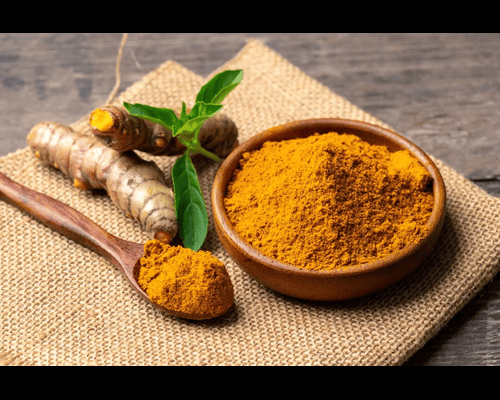
Turmeric, known scientifically as Curcuma longa, is a vibrant golden-orange spice that has transcended its culinary origins to become one of the most extensively researched and celebrated medicinal plants in the world. A member of the ginger family, this ancient rhizome has been a cornerstone of traditional healing systems for thousands of years, particularly in Ayurvedic medicine in India and traditional Chinese medicine. The deep, rich hue that gives turmeric its "golden" reputation comes from curcumin, the primary bioactive compound responsible for most of its celebrated health benefits. In recent decades, this humble spice has moved from the kitchen cupboard to the laboratory, with modern science now validating what ancient practitioners have known for centuries about its remarkable therapeutic properties.
The journey of turmeric from ancient remedy to modern superfood is a fascinating story of traditional knowledge meeting scientific validation. Historical records indicate that turmeric has been used for nearly 4,000 years in South Asia, not only as a culinary staple but as a medicinal agent, cosmetic, and even a religious symbol. In traditional practices, it has been applied to treat a wide spectrum of conditions including skin diseases, respiratory issues, gastrointestinal disorders, joint pain, and wounds. Today, turmeric has become the best-selling botanical dietary supplement in the United States, reflecting its widespread popularity and the growing public interest in natural approaches to health and wellness.
This comprehensive article will explore the substantial body of scientific evidence supporting turmeric's health benefits, drawing from historical applications, biochemical properties, clinical studies, and practical guidance for its use. We will delve deep into the mechanisms through which turmeric and its active compounds exert their effects on various body systems, examine the research supporting its role in preventing and managing chronic diseases, address important considerations regarding safety and bioavailability, and provide practical recommendations for incorporating this golden spice into your daily health regimen. The goal is to provide a thorough, evidence-based resource that separates scientific fact from popular fiction regarding this remarkable natural medicine.
To fully appreciate turmeric's health benefits, one must first understand its complex chemical composition. Turmeric contains more than 200 biologically active compounds, with the most significant belonging to a class known as curcuminoids. The three primary curcuminoids are curcumin (approximately 77%), demethoxycurcumin (about 18%), and bisdemethoxycurcumin (roughly 5%). These compounds are responsible for turmeric's vibrant color and many of its therapeutic effects. Curcumin, the most abundant and well-studied component, has been the focus of thousands of scientific investigations exploring its diverse biological activities.
Beyond curcuminoids, turmeric contains a rich profile of volatile oils including turmerone, atlantone, and zingiberene, which contribute to its distinctive aroma and also possess medicinal properties. The spice also contains various non-curcuminoid compounds such as ferulic acid, coumaric acid, myristicin, cyclocurcumin, calebin A, and numerous others. This diverse phytochemical profile means that whole turmeric offers a complex symphony of bioactive compounds that may work synergistically to produce health benefits beyond what isolated curcumin can provide. This complexity explains why some researchers argue that whole turmeric or turmeric extracts containing the full spectrum of compounds may be more therapeutically beneficial than isolated curcumin supplements.
Curcumin, the most extensively studied component of turmeric, is a polyphenolic compound with a symmetric molecular structure that enables it to interact with multiple biological targets. Chemically known as (1E,6E)-1,7-bis(4-hydroxy-3-methoxyphenyl)-1,6-heptadiene-3,5-dione, curcumin's structure includes two methoxyphenol groups linked by a seven-carbon chain with an α,β-unsaturated diketone moiety. This unique structure allows curcumin to participate in electron transfer reactions and interact with various proteins, enzymes, and receptors throughout the body.
The biological activities of curcumin are remarkably diverse, including potent anti-inflammatory, antioxidant, antimicrobial, immunomodulatory, and chemopreventive properties. Curcumin has been shown to influence numerous signaling pathways and molecular targets, including transcription factors, growth factors, inflammatory cytokines, protein kinases, and other enzymes. This multi-targeted approach is particularly valuable for addressing complex chronic diseases that typically involve multiple pathological pathways. Despite its impressive therapeutic potential, curcumin faces a significant challenge with low bioavailability when taken orally, which has led to the development of various formulation strategies to enhance its absorption and effectiveness.
Inflammation is a natural immune response crucial for fighting infection and repairing tissue damage. However, when inflammation becomes chronic, it contributes to the development and progression of numerous diseases, including arthritis, metabolic syndrome, neurodegenerative conditions, and cancer. Turmeric, and particularly its active compound curcumin, has demonstrated powerful anti-inflammatory properties that operate through multiple molecular pathways.
The primary anti-inflammatory mechanism of curcumin involves the suppression of the NF-κB pathway, a key regulator of inflammation that activates genes producing pro-inflammatory cytokines. By inhibiting NF-κB activation, curcumin reduces the production of inflammatory mediators such as tumor necrosis factor-alpha (TNF-α), interleukin-6 (IL-6), and interleukin-1β (IL-1β). Additionally, curcumin downregulates the activity of inflammatory enzymes like cyclooxygenase-2 (COX-2) and lipoxygenase, and inhibits the production of prostaglandins and leukotrienes. These broad anti-inflammatory effects explain why turmeric has shown promise in managing inflammatory conditions ranging from arthritis to inflammatory bowel disease.
Oxidative stress, resulting from an imbalance between free radicals and antioxidants in the body, contributes to aging and the development of numerous chronic diseases. Turmeric exhibits significant antioxidant activity through several complementary mechanisms. Curcumin can directly neutralize free radicals due to its chemical structure, while also enhancing the activity of the body's own antioxidant enzymes such as superoxide dismutase, catalase, and glutathione peroxidase.
One of the most important antioxidant mechanisms of curcumin involves the activation of the Nrf2 pathway, a key regulator of cellular defense against oxidative stress. When activated, Nrf2 translocates to the cell nucleus and binds to the Antioxidant Response Element (ARE), triggering the production of various protective antioxidant enzymes. Research has shown that curcumin can modify specific sites on the Keap1 protein, which normally binds to Nrf2 and targets it for degradation. This modification releases Nrf2, allowing it to activate antioxidant gene expression and strengthen the cellular defense system against oxidative damage.
Table: Key Bioactive Compounds in Turmeric and Their Properties
| Compound | Percentage in Turmeric | Key Properties |
|---|---|---|
| Curcumin | 77% of curcuminoids | Anti-inflammatory, antioxidant, modulates multiple signaling pathways |
| Demethoxycurcumin | 18% of curcuminoids | Antioxidant, enhances curcumin effects |
| Bisdemethoxycurcumin | 5% of curcuminoids | Antioxidant, anti-inflammatory |
| Turmerones | Varies | Anti-inflammatory, potential neuroprotective effects |
| Calebin A | Varies | Anti-inflammatory, neuroprotective |
Arthritis, characterized by joint inflammation, pain, and stiffness, affects millions of people worldwide. The anti-inflammatory properties of turmeric make it particularly promising for managing various forms of arthritis, including osteoarthritis and rheumatoid arthritis. Clinical research has demonstrated that turmeric extracts can significantly reduce arthritis symptoms and improve functional capacity.
In a systematic review of randomized controlled trials, curcumin supplementation was found to be effective in reducing pain and improving function in patients with osteoarthritis, with some studies showing comparable efficacy to non-steroidal anti-inflammatory drugs (NSAIDs) but with fewer side effects. The Arthritis Foundation recommends one 500 mg capsule of curcumin extract taken twice daily to help control symptoms of osteoarthritis and rheumatoid arthritis. For rheumatoid arthritis, an autoimmune condition characterized by severe joint inflammation and destruction, research has shown that different components of turmeric have separate beneficial effects, and when combined, they provide additive benefits in terms of reducing joint inflammation and preventing bone loss.
The potential neuroprotective effects of turmeric have generated significant scientific interest, particularly regarding cognitive decline and neurodegenerative diseases like Alzheimer's. Curcumin's antioxidant and anti-inflammatory properties are believed to contribute to brain health by reducing the neuroinflammation and oxidative damage associated with cognitive impairment.
A 2018 study demonstrated that 90 milligrams of curcumin taken twice daily for 18 months helped improve memory performance in adults without dementia. Researchers theorized that the reduction in brain inflammation and curcumin's antioxidant properties led to less decline in neurocognition. Additionally, curcumin may help reduce the accumulation of amyloid-beta plaques, a hallmark of Alzheimer's disease, though more research is needed to confirm these effects in humans. The ability of curcumin to cross the blood-brain barrier and its multi-targeted actions on various pathological processes make it a promising candidate for supporting brain health, though larger and longer-term clinical trials are needed to establish definitive recommendations.
Cardiovascular disease remains the leading cause of mortality worldwide, and turmeric may offer significant protective benefits for heart health. Research indicates that curcumin can improve several cardiovascular risk factors, including endothelial function, lipid profiles, and blood pressure.
A 2025 randomized controlled trial published in Scientific Reports investigated the effects of curcumin supplementation (500 mg three times daily) in diabetic patients with elevated cardiovascular risk. The study found that curcumin significantly improved ASCVD risk classification and reduced systolic and diastolic blood pressure. Additionally, it lowered LDL cholesterol and increased HDL cholesterol while reducing inflammatory markers and oxidative stress. These findings suggest that curcumin supplementation may be a valuable adjunct to conventional therapy for individuals at risk of cardiovascular disease. Other studies have shown that curcumin may help prevent atherosclerosis by inhibiting the proliferation of vascular smooth muscle cells, suppressing vascular contraction, and improving endothelial dysfunction.
The potential benefits of turmeric for metabolic health, particularly in type 2 diabetes and weight management, have been substantiated by multiple clinical studies. A 2025 systematic review and meta-analysis published in Nutrition & Diabetes examined the effects of turmeric/curcumin supplementation on anthropometric indices in individuals with prediabetes and type 2 diabetes. The analysis found that supplementation significantly decreased body weight, waist circumference, and fat mass percentage in people with type 2 diabetes. In those with prediabetes, body weight and waist circumference were also significantly reduced compared to untreated counterparts.
The mechanisms behind these metabolic benefits appear to involve improved insulin sensitivity, reduction in inflammation, and potential effects on lipid metabolism. Curcumin has been shown to reduce insulin resistance through various pathways, including the activation of AMP-activated protein kinase (AMPK), which plays a key role in cellular energy homeostasis. Additionally, curcumin's ability to inhibit the production of inflammatory cytokines that interfere with insulin signaling may contribute to its antidiabetic effects. These findings position turmeric as a promising complementary approach for managing metabolic disorders, though it should not replace conventional treatments.
Turmeric has a long history of use for digestive disorders in traditional medicine, and modern research is beginning to validate these applications. For inflammatory bowel diseases like ulcerative colitis, curcumin has shown promise as an adjunctive therapy. A 2016 study found that individuals with ulcerative colitis who took 2 grams of curcumin daily along with prescription medication were more likely to maintain remission than those taking medication alone.
The anti-inflammatory and antioxidant properties of curcumin are believed to contribute to its beneficial effects on digestive health. Curcumin may help modulate gut microbiota and strengthen the intestinal barrier function, potentially reducing the translocation of bacteria and toxins that trigger inflammation. For functional digestive issues, turmeric may help alleviate symptoms of bloating and gas by stimulating bile production and supporting fat digestion. However, individuals with gallbladder disease or bile duct obstruction should use turmeric with caution, as it may exacerbate these conditions.
The potential benefits of turmeric for skin health, particularly in protecting against photoaging, have gained scientific support in recent years. A 2025 comprehensive review in Frontiers in Pharmacology highlighted the multiple mechanisms through which curcumin can prevent ultraviolet radiation-induced skin damage. These include inhibition of melanin production, wrinkle reduction, and potent antioxidant and anti-inflammatory actions.
UV radiation, particularly UVA rays that penetrate deep into the skin layers, is a primary contributor to extrinsic skin aging. Curcumin counteracts this damage through several pathways: it enhances the skin's antioxidant defense system by activating the Nrf2 pathway, reduces inflammation by inhibiting NF-κB activation, and regulates matrix metalloproteinases that break down collagen and elastin. The review also noted advancements in curcumin formulation, including nanoparticle delivery systems, which enhance its penetration and efficacy when applied topically. These properties make turmeric a promising ingredient in topical skincare products aimed at preventing premature aging and maintaining skin health.
The potential role of turmeric in cancer prevention and as a complementary therapy has been the subject of extensive research. A 2019 study found that curcumin could help reduce cancerous cell growth and metastasis (the spread of cancer). Evidence suggests that curcumin may be particularly beneficial for preventing cancers of the digestive system.
Curcumin exhibits multiple anticancer mechanisms, including modulation of numerous signaling pathways involved in cell proliferation, apoptosis, angiogenesis, and metastasis. It can influence pathways such as phosphatidylinositol-3 kinase/Akt (PI3K/Akt), Janus kinase/Signal transducer activator of transcription (JAK/STAT), mitogen-activated protein kinase (MAPK), Wnt/β-catenin, p53, and NF-κB. Additionally, curcumin has been shown to regulate tumor-related non-coding RNAs and modulate the gut microbiota, which plays a role in cancer development. While these findings are promising, it's important to note that turmeric should not be considered a standalone treatment for cancer, and individuals undergoing chemotherapy should consult their healthcare providers before using curcumin supplements, as they may interact with certain chemotherapy agents.
Table: Turmeric's Effects on Specific Health Conditions Based on Clinical Evidence
| Health Condition | Evidence Level | Recommended Dosage (Based on Studies) | Key Findings |
|---|---|---|---|
| Osteoarthritis | Moderate to Strong | 500 mg of curcumin extract twice daily | Reduced pain and improved function, comparable to NSAIDs |
| Ulcerative Colitis | Moderate | 2 grams of curcumin daily | Helped maintain remission when combined with medication |
| Metabolic Syndrome | Moderate | Varies (typically 500-1,500 mg/day) | Improved insulin sensitivity, reduced body weight and waist circumference |
| Cardiovascular Risk | Emerging | 500 mg three times daily | Improved blood pressure, lipid profile, and ASCVD risk classification |
| Cognitive Function | Preliminary | 90 mg twice daily | Improved memory performance in adults without dementia |
Turmeric is available in various forms, each with different applications and bioavailability considerations. Ground turmeric spice, commonly used in cooking, typically contains between 2% to 9% curcuminoids. Fresh turmeric root can be grated or juiced and contains the full spectrum of compounds but in varying concentrations. Turmeric supplements are available in capsules, tablets, tinctures, and gummies, with some containing up to 95% curcuminoids.
A significant challenge with turmeric, particularly isolated curcumin, is its poor bioavailability when taken orally. It is poorly absorbed from the gut, rapidly metabolized in the liver, and quickly eliminated from the body. Several strategies can enhance the absorption of curcumin:
Combining with piperine: Piperine, a compound in black pepper, can enhance curcumin bioavailability by up to 2,000% by inhibiting metabolic enzymes in the gut and liver.
Taking with fats: Since curcumin is fat-soluble, consuming it with healthy fats like oils, avocado, nuts, or seeds can significantly improve absorption.
Using specialized formulations: Various delivery systems, including nanoparticles, liposomes, and phospholipid complexes, have been developed to enhance curcumin's bioavailability.
Heating: Gentle heating may increase the solubility and stability of curcumin, potentially improving its absorption.
Incorporating turmeric into your daily diet is a safe and enjoyable way to access its health benefits. Turmeric is a staple in Indian, Southeast Asian, and Middle Eastern cuisines, where it adds vibrant color and earthy flavor to dishes. Some practical ways to include more turmeric in your diet include:
Golden milk: A traditional Ayurvedic beverage made by combining 1-2 teaspoons of turmeric with 1 cup of warm milk (dairy or plant-based), black pepper, cinnamon, and honey or maple syrup, heated gently for about 10 minutes.
Turmeric tea: Steep 2 tablespoons of fresh chopped turmeric root or 2 teaspoons of turmeric powder in 1-2 cups of boiling water for 5-10 minutes, then strain and add lemon and/or honey to taste.
Curries and stews: Add turmeric to vegetable, lentil, or meat curries and stews for authentic flavor and color.
Roasted vegetables: Toss vegetables with olive oil and turmeric before roasting for enhanced flavor and nutrition.
Soups: Add turmeric to broths, lentil soups, or creamy vegetable soups like curried pumpkin butternut squash soup.
Rice dishes: Stir turmeric into rice while cooking for colorful, fragrant results.
Smoothies: Add a teaspoon of turmeric powder to fruit and vegetable smoothies.
When cooking with turmeric, it's helpful to remember that its yellow pigment can stain countertops, clothing, and plastic utensils. These stains can typically be removed with gentle abrasives or chlorine-based cleansers.
For those considering turmeric supplements, several important factors should be considered:
Dosage: Most studies use doses ranging from 500-2,000 mg of curcumin per day, typically divided into 2-3 doses. The Arthritis Foundation recommends 500 mg twice daily for osteoarthritis, while studies on ulcerative colitis have used up to 2 grams daily. General population recommendations typically range from 500-1,000 mg per day.
Timing: Taking turmeric supplements with meals that contain fats can enhance absorption. Dividing the daily dose into two or three administrations may help maintain more stable blood levels.
Formulation: Look for supplements that include bioavailability enhancers such as piperine (from black pepper) or utilize advanced delivery systems. Products that specify the percentage of curcuminoids can help ensure you're getting a standardized amount of active compounds.
Quality considerations: Since dietary supplements are not as strictly regulated as pharmaceuticals, choose products from reputable companies that undergo third-party testing for purity and potency. Be aware that some ground turmeric products have been identified as sources of lead exposure, highlighting the importance of quality control.
Turmeric is generally recognized as safe (GRAS) by the U.S. Food and Drug Administration when consumed in typical food amounts. Both turmeric and curcumin appear to be safe and well tolerated, even when consumed in amounts up to 8 grams (about 3 teaspoons) per day. However, higher doses, particularly through supplements, may cause gastrointestinal side effects such as abdominal pain, nausea, and diarrhea in some individuals.
While rare, allergic reactions to turmeric can occur, potentially causing rash, hives, or abdominal pain. Most reported side effects are associated with high concentrations of curcumin found in supplements rather than culinary use. Long-term safety data for high-dose curcumin supplementation is limited, so periodic monitoring is advisable for those using supplements regularly.
High doses of curcumin, as found in concentrated supplements, can interact with certain medications:
Blood thinners: Turmeric or curcumin supplements may increase the risk of bleeding in people taking warfarin, aspirin, clopidogrel, or other anticoagulant/antiplatelet medications.
Diabetes medications: Since turmeric can lower blood sugar, combining high doses with diabetes medications may potentially cause hypoglycemia.
Chemotherapy agents: Individuals undergoing chemotherapy should consult their doctors before taking turmeric supplements, as they may interact with certain agents like camptothecin, mechlorethamine, doxorubicin, and cyclophosphamide.
Immunosuppressive drugs: People taking tacrolimus may experience increased side effects if they consume high amounts of curcumin.
Pain relievers: Turmeric supplements may lessen the effects of medications like indomethacin, aspirin, ibuprofen, or acetaminophen.
Given these potential interactions, it's essential to inform healthcare providers about turmeric supplement use, particularly before surgeries or when taking medications with narrow therapeutic windows.
Certain populations should exercise particular caution with turmeric supplementation:
People with gallbladder disease: Turmeric may cause contractions of the gallbladder, potentially exacerbating symptoms in individuals with gallstones or bile duct obstruction.
Those with kidney stones: High doses of curcumin may increase the risk of kidney stones, especially in predisposed individuals.
Pregnant and breastfeeding women: While culinary use is generally considered safe, high-dose supplementation during pregnancy and lactation is not well studied and should be approached cautiously.
People with iron deficiency: Curcumin may chelate iron and potentially reduce iron absorption, which could be problematic for individuals with iron deficiency anemia.
Those scheduled for surgery: Due to its potential effects on blood clotting, turmeric supplements should be discontinued at least two weeks before elective surgical procedures.
Despite the substantial body of research on turmeric and curcumin, several important limitations and research gaps remain. The overall methodological quality of many studies has been described as "relatively poor" with "considerable room for improvement," according to a 2025 umbrella review of meta-analyses. Challenges include small sample sizes, short study durations, variability in curcumin formulations and dosages, and sometimes inadequate blinding and control groups.
For many health conditions, while preliminary results are promising, the evidence remains insufficient to draw definitive conclusions or make specific clinical recommendations. Larger, longer-term, and more rigorous clinical trials are needed to establish optimal dosing, formulation, and treatment protocols for specific conditions. Additionally, more research is needed to understand the synergistic effects of the various compounds in whole turmeric compared to isolated curcumin, and to identify which individuals are most likely to benefit from supplementation based on genetic, metabolic, or microbiome factors.
Current research continues to explore new potential applications for turmeric and its components. Some promising areas of investigation include:
Bone health: Research led by Dr. Janet Funk at the University of Arizona is exploring how different turmeric components affect bone diseases, including rheumatoid arthritis, postmenopausal osteoporosis, and breast cancer bone metastases. Her team has identified an enzyme (β-glucuronidase) that may activate curcumin within bone tissue, potentially explaining its site-specific benefits.
Mental health: Studies continue to investigate the potential role of curcumin in depression, anxiety, and other mood disorders, with research suggesting it may increase serotonin and dopamine levels in the brain.
Eye health: Preliminary research suggests turmeric may benefit degenerative eye conditions, though robust clinical evidence is still limited.
Muscle recovery: Some studies indicate turmeric may help reduce muscle soreness after exercise, potentially through its anti-inflammatory effects.
Long COVID: Researchers are exploring whether turmeric's anti-inflammatory and antioxidant properties might help address persistent inflammation associated with long COVID symptoms.
Additionally, ongoing formulation research aims to develop more bioavailable and targeted delivery systems for curcumin, potentially enhancing its efficacy and expanding its therapeutic applications.
The extensive body of research on turmeric and its active compounds provides compelling evidence for its potential role in supporting health and preventing disease. From its potent anti-inflammatory and antioxidant properties to its specific benefits for joint, brain, metabolic, and cardiovascular health, this golden spice offers a remarkable example of how traditional medicinal knowledge can be validated and refined through modern scientific investigation.
When considering how to incorporate turmeric into your health regimen, several key principles emerge from the research:
Culinary use provides a safe foundation: Regular consumption of turmeric as a spice in foods and beverages offers a safe way to access its benefits while enjoying its unique flavor profile as part of a balanced diet.
Supplementation requires careful consideration: For those considering supplements, quality, formulation, dosage, and potential interactions with medications should be carefully evaluated with healthcare providers.
Bioavailability matters: Whether using culinary turmeric or supplements, strategies to enhance curcumin absorption—such as combining with black pepper and healthy fats—can significantly impact its effectiveness.
Individual factors influence outcomes: The benefits of turmeric may vary based on individual health status, genetics, microbiome composition, and the presence of specific health conditions.
Turmeric complements but doesn't replace conventional care: While promising for various conditions, turmeric should generally be viewed as a complementary approach rather than a replacement for conventional medical treatments.
As research continues to evolve, our understanding of this ancient spice will undoubtedly deepen, potentially revealing new applications and refining our approach to its use. What remains clear is that turmeric represents a fascinating intersection of traditional wisdom and modern science, offering a powerful example of nature's pharmacy and its potential to contribute to human health and wellbeing when approached with both curiosity and critical evaluation.
Harvard Health Publishing. (2025). Turmeric benefits: A look at the evidence.
Frontiers in Pharmacology. (2025). Curcumin and multiple health outcomes: critical umbrella review.
Frontiers in Pharmacology. (2025). Curcumin: a potential anti-photoaging agent.
Johns Hopkins Medicine. (2025). Turmeric Benefits.
Nutrition & Diabetes. (2025). The effect of turmeric/curcumin supplementation on anthropometric indices in subjects with prediabetes and type 2 diabetes mellitus.
ACS Pharmacology & Translational Science. (2023). Role of Turmeric and Curcumin in Prevention and Treatment of Chronic Diseases.
Cleveland Clinic. (2025). 6 Health Benefits of Turmeric.
Scientific Reports. (2025). Curcumin supplementation improves the clinical outcomes of patients with diabetes and atherosclerotic cardiovascular risk.
University of Arizona College of Medicine. (2025). Turmeric research by Dr. Janet Funk earns Editor's Choice honors.
May 08 - 2026

Nov 02 - 2025

Nov 01 - 2025

Nov 01 - 2025
