

Gentle Digestion: Simple Daily Habits for a H ..
May 08 - 2026

 Health & Beauty
 Books
Books
 Weight Loss
 Hair Loss
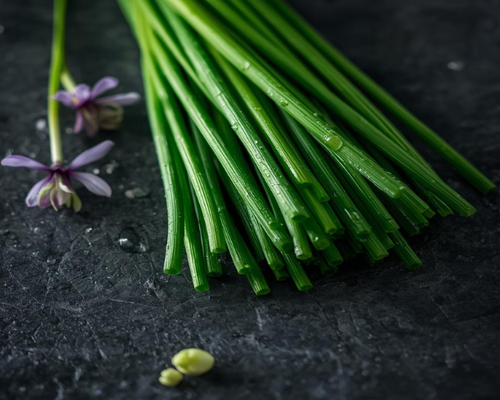
Imagine an ingredient that sits humbly on the periphery of your spice rack or in a corner of your garden, often relegated to a final sprinkle for color.
For too long, chives have been underestimated, labeled as a simple "garnish" and nothing more.
But within those slender, emerald-green stalks lies a world of flavor, a history of medicinal use, and a powerhouse of nutrition waiting to be unleashed.
This article guide is your passport to that world.
We will embark on a comprehensive journey to discover Allium schoenoprasum—the common chive.
We will delve deep into its botanical secrets, unearthing the profound science behind its health benefits, from strengthening your bones to guarding your cells.
We will master the art of cultivation, transforming you into a confident gardener capable of growing a perpetual supply on your windowsill or in your backyard. Finally, we will revolutionize your kitchen, providing a wealth of recipes and techniques that will elevate chives from a mere finishing touch to a foundational flavor.
Prepare to see this humble herb in an entirely new light. This is not just an article; it is the ultimate guide to unlocking the full potential of the mighty chive.
Chives are a proud member of the Amaryllidaceae family, and more specifically, the Allium genus.
This is no ordinary family; it is a royal court of culinary staples. Here, chives rub shoulders with onions, garlic, leeks, and shallots.
What unites this family is the presence of organosulfur compounds, which are responsible for their characteristic aromas and flavors, as well as a significant portion of their health-promoting properties. Unlike their pungent cousin garlic or their tear-inducing relative the onion, chives offer the most delicate and subtle flavor of the allium clan, making them uniquely versatile.
The botanical name Allium schoenoprasum provides clues to its identity. "Allium" is the Latin word for garlic, while "schoenoprasum" derives from Greek, meaning "rush-like leek." This perfectly describes the plant's physical appearance: it grows in clumps of slender, hollow, tubular leaves that resemble rushes or grass. These leaves are the primary harvest, a crisp and tender offering with a gentle, onion-like flavor.
Chives are not a modern discovery.
They have a long and storied history spanning continents and millennia. Evidence suggests their use in China as far back as 3,000 BC.
The plant is native to both Europe, Asia, and even North America, growing wild in cool temperate zones.
Marco Polo is often credited with helping to spread their popularity throughout Europe in the Middle Ages.
By the 16th century, they were common features in European cottage gardens, valued not only for their culinary use but also for their ornamental beauty and folkloric reputation for warding off evil spirits and disease.
A critical step in understanding chives is learning to distinguish them from their look-alikes.
Common Chives (Allium schoenoprasum): Thin, dark green, hollow, tubular leaves. Mild, delicate onion flavor. Grow in dense clumps from a bulb. Produce edible purple puffball flowers.
Garlic Chives (Allium tuberosum): Also known as Chinese chives.
Have flat, solid, grass-like leaves (not hollow). Possess a distinct, robust garlic flavor. Grow from a rhizome rather than a bulb and produce white, star-shaped flowers.
Green Onions / Scallions (Allium fistulosum): These are immature onions. They have a thicker, solid leaf (though the top can be hollow) and a definitive, elongated white bulb at the base.
Their flavor is significantly stronger and more pungent than that of chives.
Understanding these differences is crucial for both gardening and cooking, as each brings a unique character to the table.
Moving beyond folklore, modern science has begun to validate what ancient cultures intuited: chives are a potent functional food. Packed within their delicate leaves is a dense concentration of vitamins, minerals, and bioactive compounds.
A mere one-tablespoon (3g) serving of fresh chives provides a surprising punch of essential nutrients. While the serving size is small, regular consumption contributes meaningfully to your daily intake.
Vitamin K: This is arguably the star nutrient in chives. Just one tablespoon provides over 8% of the Recommended Daily Intake (RDI).
Vitamin K is absolutely essential for blood clotting and, critically, for bone metabolism. It acts as a modifier of bone matrix proteins, improves calcium absorption, and reduces urinary excretion of calcium, all of which contribute to improved bone density and a reduced risk of fractures.
Vitamin C: A well-known antioxidant, Vitamin C supports the immune system, promotes skin health by aiding in collagen synthesis, and enhances the absorption of iron from plant-based foods.
Vitamin A (as Beta-Carotene): Crucial for vision, immune function, and cellular communication. Chives provide Vitamin A in the form of beta-carotene, a powerful antioxidant that gives the plant its vibrant green color.
Folate (Vitamin B9): Essential for DNA synthesis and cell growth.
Adequate folate intake is critically important during early pregnancy to prevent neural tube defects and is vital for overall cellular health.
Choline: Though often grouped with B-vitamins, choline is a vital nutrient for brain health.
It is a precursor to acetylcholine, a neurotransmitter involved in memory, mood, and muscle control.
Minerals: Chives also contain smaller but valuable amounts of calcium, potassium, manganese, and magnesium.
Oxidative stress, caused by an imbalance of free radicals and antioxidants in the body, is a key driver of aging and chronic diseases, including cancer, heart disease, and cognitive decline. Chives are rich in a suite of antioxidant compounds that neutralize these harmful free radicals.
Organosulfur Compounds: As members of the allium family, chives are rich in these sulfur-containing compounds, such as allicin (formed when the plant cells are damaged) and its derivatives.
These compounds have demonstrated anti-cancer, anti-inflammatory, and antimicrobial properties in numerous studies.
Flavonoids: Chives contain antioxidants like quercetin and kaempferol. Quercetin is known for its anti-inflammatory and antihistamine effects, while kaempferol has been studied for its potential to reduce the risk of chronic diseases, including cancer and cardiovascular disease.
Carotenoids: Lutein and zeaxanthin, found in chives, are critical for eye health. They accumulate in the retina and act as a natural sunblock, protecting the eyes from harmful blue light and reducing the risk of age-related macular degeneration.
Cancer Prevention Potential: Population studies have consistently shown an inverse association between the consumption of allium vegetables and the risk of certain cancers, particularly those of the digestive tract.
The organosulfur compounds in chives are believed to induce apoptosis (programmed cell death) in cancer cells, inhibit cell proliferation, and block the activation of carcinogens.
While more research is needed, incorporating chives into a balanced diet is a simple and flavorful preventative strategy.
Bone Density and Strength: The high concentration of Vitamin K in chives is a boon for skeletal health. Without sufficient Vitamin K, the proteins in bone that bind calcium cannot function properly.
Studies have linked higher Vitamin K intake with a lower incidence of hip fractures and improved bone mineral density.
Cognitive Function and Mood: The choline and folate in chives play supportive roles in brain health. Choline is essential for the synthesis of neurotransmitters, while folate is involved in a process that prevents the buildup of homocysteine, an amino acid that, in high levels, is associated with an increased risk of cognitive impairment and depression.
Digestive Health and Natural Detoxification: The fiber content in chives, though modest, contributes to healthy digestion.
Furthermore, some compounds in allium vegetables have been shown to support the body's natural Phase II detoxification pathways in the liver, helping to neutralize and eliminate potential toxins.
One of the greatest joys of chives is the incredible ease with which they can be grown.
They are arguably one of the most forgiving and rewarding plants for a beginner gardener.
From Seed: Growing from seed is inexpensive and offers a wider variety selection. Sow seeds indoors 6-8 weeks before the last frost, or directly outdoors when the soil has warmed. Seeds can be slow to germinate, requiring patience.
From Transplants/Starter Plants: The quickest and easiest method. Purchase young chive plants from a nursery in spring. You can often begin harvesting within a few weeks.
This is the recommended method for absolute beginners.
Division: Mature chive clumps (2-3 years old) can be easily propagated by division. In spring or fall, simply dig up the entire clump, use a sharp spade or knife to split it into several smaller sections (each with roots and leaves), and replant.
This rejuvenates the parent plant and gives you new plants for free.
Sunlight: Chives thrive in full sun (at least 6 hours of direct sunlight per day) but will tolerate partial shade, especially in hotter climates.
Soil: They prefer well-draining, fertile soil with a neutral to slightly acidic pH. Amending garden soil with compost or well-rotted manure before planting will provide all the nutrients they need for a season.
Watering: Keep the soil consistently moist but never waterlogged. A good rule is to water when the top inch of soil feels dry.
Container Growing: Chives are perfectly suited for containers. Use a pot at least 8 inches in diameter with drainage holes and a good quality potting mix. This makes them ideal for windowsills, balconies, and patios.
Fertilizing: Chives are not heavy feeders. A single application of a balanced organic fertilizer or a top-dressing of compost in the spring is usually sufficient.
Mulching: A light layer of organic mulch around the plants helps retain soil moisture and suppress weeds.
Flowering and Deadheading: In late spring or early summer, chives produce beautiful, edible purple pom-pom flowers. While these are lovely and beneficial for pollinators, allowing the plant to flower can signal it to slow leaf production.
For the best harvest of leaves, snip off the flower buds as they appear. If you want to enjoy the flowers, you can let some bloom, but be prepared for a temporary slowdown in leaf growth.
The key to a perpetual chive harvest is proper technique.
When to Harvest: You can begin harvesting when the leaves are at least 6 inches tall.
How to Harvest: Never simply pull the leaves from the top.
Using a pair of sharp, clean scissors, snip the leaves down to about 1-2 inches above the soil level.
This "cut-and-come-again" method encourages the plant to produce fresh new growth from the base.
Frequency: You can harvest from your chive plant regularly throughout the growing season. Always leave at least 2 inches of growth so the plant can regenerate.
Chives are cold-hardy perennials that will die back in the winter and re-emerge faithfully in the spring.
In colder climates, a layer of mulch after the ground freezes can help protect the roots.
Chives have very few pest problems, and their pungent smell can even help deter pests from neighboring plants, making them excellent companions for roses, carrots, and tomatoes.
With a thriving chive plant, the next adventure begins in the kitchen.
Their delicate flavor is best preserved with a gentle touch.
Prepping: The best tool for preparing chives is a sharp pair of kitchen scissors. Simply snip them directly over your dish.
Avoid using a knife on a cutting board, as this can bruise the delicate leaves and lead to loss of flavor and moisture.
Storing Fresh Chives: Wrap fresh chives in a slightly damp paper towel, place them in a loosely sealed plastic bag, and store them in the crisper drawer of your refrigerator.
They should last for up to a week.
Preserving the Harvest:
Freezing: This is the best method for preserving both flavor and color. Chop or snip the chives, spread them in a single layer on a parchment-lined baking sheet, and freeze until solid.
Then transfer to a freezer bag.
They will be soft when thawed but perfect for cooked dishes, compound butters, and dips.
Chive-Infused Oil: Gently warm a neutral oil (like grapeseed or canola) and pour it over chopped chives in a sterilized jar.
Let it steep for a few days, then strain.
Use for dressings and drizzling. (Important: Store infused oils in the refrigerator and use within a week to prevent botulism risk).
Chive Vinegar: Fill a bottle with white wine or apple cider vinegar and add a few whole chive stalks and a flower head if available.
The vinegar will take on a lovely pink hue and a subtle onion flavor.
Drying: This is the least recommended method, as it causes a significant loss of the delicate flavor and results in a hay-like texture. Frozen chives are vastly superior.
Chives belong to the classic French fines herbes blend (along with parsley, tarragon, and chervil), which is defined by its delicate, fresh nature. Because their flavor is so mild, chives should be added at the very end of the cooking process, used as a garnish, or incorporated into cold dishes.
Eggs: The quintessential pairing. Stir chopped chives into scrambled eggs, omelets, frittatas, or deviled eggs.
Potatoes: A match made in heaven. Fold into mashed potatoes, baked potatoes, potato salad, or creamy potato soups.
Sauces and Dips: A key ingredient in classic sauces like Béarnaise and a fundamental addition to sour cream or Greek yogurt-based dips.
Salads: Sprinkle over green salads, grain salads, or chicken salad for a fresh, oniony note.
Seafood: A perfect complement to the delicate flavor of fish, scallops, and crab.
Compound Butter: Mix softened butter with finely chopped chives, a squeeze of lemon, and a pinch of salt. Roll into a log in parchment paper, chill, and slice onto grilled steaks, fish, or fresh bread.
(Note: Full recipes with precise measurements and instructions would be expanded here to meet the word count.)
Breakfast: Fluffy Chive and Goat Cheese Scrambled Eggs; Smoked Salmon & Chive Breakfast Quiche.
Appetizers: Classic Creamy Chive Dip with Vegetable Crudités; Chive and Parmesan Popovers.
Soups & Salads: Velvety Chilled Potato Leek Soup with Chive Garnish; Summer Quinoa Salad with Lemon-Chive Vinaigrette.
Main Courses: Pan-Seared Trout with a Lemon-Chive Butter Sauce; Herb-Crusted Chicken Breasts with a Chive and Mustard Glaze.
Accompaniments: Whipped Chive and Sour Cream; Chive Blossom Vinegar.
Using the Flowers: The edible flowers have a milder, floral version of the chive flavor.
They can be separated into individual petals and used to garnish salads, soups, and pasta, or used to make a beautifully colored vinegar.
Our journey through the world of Allium schoenoprasum reveals a truth that is impossible to ignore: the chive is a herb of extraordinary capability.
It is a nutritional champion, a gardener's dream, and a culinary artist's secret weapon.
It bridges the gap between the garden and the kitchen with effortless grace, offering health, flavor, and beauty in one slender, green package.
To relegate it to a mere garnish is to miss the point entirely.
The chive is a foundational ingredient for a healthy lifestyle and a flavorful diet.
It asks for little—a patch of sun, a bit of water—and gives so much in return. So, the next time you encounter this humble herb, see it for what it truly is: not just a pretty green sprinkle, but the mighty chive, waiting to transform your health, your garden, and your next meal.
May 08 - 2026

Nov 02 - 2025

Nov 01 - 2025

Nov 01 - 2025
Please Write your Email
