


 Health & Beauty
 Books
Books Weight Loss
 Hair Loss
Gentle Digestion: Simple Daily Habits for a H ..
May 08 - 2026
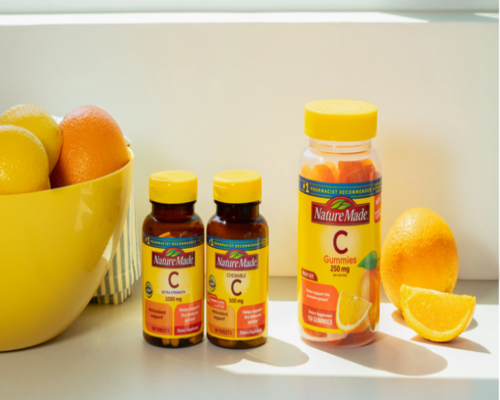
Chapter 1: Understanding Vitamin C - More Than Just an Antioxidant
1.1 What is Vitamin C? Explain its chemical nature (L-ascorbic acid) and status as a water-soluble vitamin.
Chapter 2: Vitamin C Deficiency - Recognizing the Signs
2.1 Causes of Deficiency: Discuss risk factors like poor diet, smoking, certain medical conditions, and alcoholism.
Chapter 3: The Evidence-Based Benefits of Vitamin C Supplementation
This chapter should critically examine the research, separating proven benefits from common myths.
Chapter 4: Food vs. Supplements - Getting Your Daily Dose
4.1 Top Food Sources of Vitamin C: Use a table to list foods with their Vitamin C content. Go beyond oranges to include Kakadu plum, acerola cherry, guava, bell peppers, broccoli, and kale.
Chapter 5: A Practical Guide to Choosing a Vitamin C Supplement
This is a core section for your target keyword.
5.1 Forms of Vitamin C Supplements: Compare the pros and cons of each.
Tablets and Capsules: Most common form.
Liposomal and Mineral Ascorbates: Discuss claims about better absorption and gentleness on the stomach.
5.2 How to Read a Supplement Label: Teach readers what to look for: ingredient list, dosage, third-party testing seals (e.g., USP, NSF), and other ingredients.
5.3 Recommended Dosage (RDA) and Upper Limits (UL): Present a clear table.
| Group | Recommended Dietary Allowance (RDA) | Tolerable Upper Intake Level (UL) |
|---|---|---|
| Adult Men (19+) | 90 mg per day |
| Adult Women (19+) | 75 mg per day |
| Pregnant Women | 85 mg per day |
| Lactating Women | 120 mg per day |
| Smokers | An additional 35 mg per day |
Chapter 6: Safety, Side Effects, and Important Interactions
6.1 Common Side Effects: Detail gastrointestinal issues like diarrhea, nausea, and abdominal cramps that occur with high doses.
Chapter 7: Special Populations and Considerations
Discuss needs for the elderly, athletes, vegetarians/vegans, and individuals with chronic conditions like cancer or GI disorders.
Conclusion
Summarize the key takeaways: Vitamin C is essential, a balanced diet is best, but supplements can be beneficial in specific situations.
Reiterate the importance of choosing a quality supplement and consulting a healthcare professional.
End with a forward-looking statement on the future of Vitamin C research.
1.2 A Brief History: Touch upon the discovery of Vitamin C and its link to scurvy, highlighting key figures like Albert Szent-Györgyi.
1.3 How the Body Uses Vitamin C: Detail its biochemical roles:
Powerful Antioxidant: Protects cells from free radical damage.
Immune System Support: Explains its role in supporting various immune cell functions.
Iron Absorption: How it enhances the absorption of non-heme iron from plant-based foods.
Other Roles: Briefly mention its involvement in carnitine and neurotransmitter production.
2.2 Symptoms to Watch For: Detail symptoms from early fatigue to advanced scurvy, including bleeding gums, joint pain, and poor wound healing.
2.3 Diagnosis and Testing: Explain how deficiency is identified through plasma vitamin C levels.
Supporting Immune Health and the common cold (managing duration/severity, not prevention).
Promoting Skin Health and collagen production.
3.2 Areas with Promising but Inconclusive Evidence:
Cancer Prevention and Adjunct Therapy: Discuss dietary links vs. supplement results, and the potential of high-dose IV Vitamin C.
Eye Health (Cataracts and Age-related Macular Degeneration): Reference large trials like AREDS.
Gout Management: By helping to lower uric acid levels.
3.3 Common Myths Debunked:
4.2 Why Cooking Matters: Explain how heat, light, and air can destroy Vitamin C in foods.
4.3 When is a Supplement Necessary? List scenarios like dietary restrictions, smoking, illness, or increased needs.
5.4 What is Megadosing? Discuss the practice and the lack of evidence for its benefits for the general population, alongside the known risks.
6.2 Serious Health Risks: Mention the increased risk of kidney stones with long-term high doses and hemolytic anemia in people with G6PD deficiency.
6.3 Critical Drug Interactions: Create a list of medications that can interact with Vitamin C, such as:
Statins and Niacin: May reduce their efficacy.
6.4 The Imperative of Consulting a Healthcare Provider: Strongly emphasize that readers should talk to a doctor before starting any new supplement.
May 08 - 2026

Nov 02 - 2025

Nov 01 - 2025

Nov 01 - 2025
