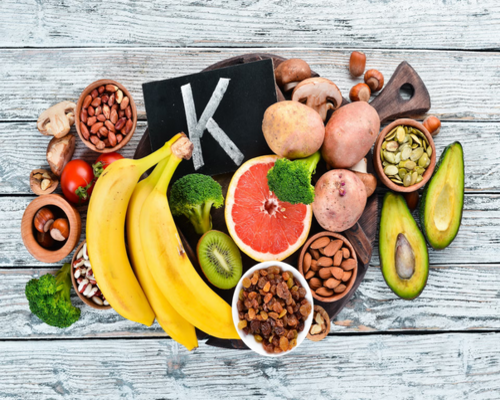
The Ultimate Guide to Foods High in Potassium: Boost Your Health Naturally
## Introduction to Potassium: The Essential Electrolyte
Potassium is a **crucial mineral** and electrolyte that every tissue in your body needs to function properly. It plays a **fundamental role** in maintaining normal fluid levels within our cells, supports proper nerve transmission, facilitates muscle contractions, and helps regulate heart rhythm and blood pressure. Unlike some nutrients, our bodies **cannot produce potassium** on its own, making it essential to obtain through our daily diet .
Despite its importance, **most Americans** consume only about half of the recommended daily amount of potassium. Research shows that adequate potassium intake can significantly **lower blood pressure** and reduce the risk of cardiovascular problems such as heart disease and stroke. The modern Western diet, often characterized by processed foods high in sodium and low in potassium-rich fruits and vegetables, has contributed to widespread potassium deficiency .
Symptoms of **potassium deficiency** (hypokalemia) can include muscle weakness, fatigue, constipation, abnormal heart rhythms, and in severe cases, can lead to serious complications like hypertension, congestive heart failure, or cardiac arrhythmias. Recognizing these signs and understanding how to incorporate more potassium-rich foods into your diet is essential for maintaining optimal health .
## How Much Potassium Do You Need?
### Recommended Daily Allowance
The **Dietary Guidelines** for Americans recommend that adults aim for 4,700 milligrams (mg) of potassium daily. However, recommendations vary by age and gender:
- Women 19 years and older: 2,600 mg
- Men 19 years and older: 3,400 mg
- Pregnant and lactating women: 2,500-2,900 mg depending on age
Despite these guidelines, estimates show that average daily potassium intake among adults is only about 2,320 mg for women and 3,016 mg for men - significantly below optimal levels .
### Special Considerations
It's important to note that **individual needs** may vary based on factors such as activity level, overall health status, and medication use. For instance, athletes who sweat heavily may require more potassium to replace losses through perspiration. Conversely, people with **kidney disease** or certain other medical conditions may need to limit their potassium intake, as impaired kidneys may not be able to remove excess potassium from the blood, potentially leading to dangerous complications .
## Comprehensive List of Potassium-Rich Foods
While bananas are often touted as the go-to potassium source, many other foods contain equal or greater amounts of this essential mineral. Incorporating a **variety of these foods** into your diet can help you meet your daily potassium needs while also providing other valuable nutrients.
### Fruits High in Potassium
- **Avocados**: One whole avocado contains approximately 690 mg of potassium (15% DV), plus healthy fats, fiber, and vitamins .
- **Watermelon**: Two wedges (about 1/8 of a melon) provide 640 mg of potassium (14% DV), along with hydration benefits due to its high water content .
- **Dried Apricots**: A half-cup serving offers about 755 mg of potassium (22% DV), making them one of the most concentrated sources .
- **Pomegranates**: One whole fruit provides approximately 666 mg of potassium (14% DV), plus antioxidants and vitamins .
- **Bananas**: A medium banana contains about 422 mg of potassium (9% DV), still a respectable source despite being less than many other options .
### Vegetables Packed with Potassium
- **Sweet Potatoes**: One cup of baked sweet potato boasts 542 mg of potassium (16% DV), plus vitamin A and fiber .
- **Spinach**: Three cups of raw spinach contain approximately 558 mg of potassium (11% DV), while one cup of cooked spinach offers a remarkable 839 mg .
- **Potatoes**: A medium baked potato with skin provides about 926 mg of potassium (20% DV), making it an excellent source .
- **Swiss Chard**: One cup of cooked chard delivers 961 mg of potassium (20% DV), along with vitamins A and K .
- **Beets**: One cup of boiled beets contains 518 mg of potassium (11% DV), plus nitrates that support blood vessel function .
### Legumes, Beans, and Other Plant-Based Sources
- **White Beans**: One cup of cooked white beans contains an impressive 1,000 mg of potassium (21% DV), making them one of the richest sources available .
- **Lima Beans**: One cup of cooked lima beans offers 955 mg of potassium (20% DV) .
- **Lentils**: One cup of cooked lentils provides about 731 mg of potassium (16% DV), along with plant-based protein and fiber .
- **Soybeans**: One cup of cooked soybeans adds nearly 890 mg of potassium (18% DV) to your meal .
### Animal-Based Sources of Potassium
- **Salmon**: Half a fillet of cooked salmon provides over 20% of the daily potassium requirement, plus heart-healthy omega-3 fatty acids .
- **Clams**: A 3-ounce serving of clams contains approximately 534 mg of potassium (11% DV) .
- **Yogurt**: Eight ounces of plain, nonfat yogurt offers 625 mg of potassium (13% DV), along with probiotics and calcium .
- **Milk**: One cup of reduced-fat milk contains 366 mg of potassium (8% DV), making it a valuable source .
*Table: Potassium Content in Common Foods*
| Food Item | Serving Size | Potassium (mg) | % Daily Value |
|----------|-------------|----------------|---------------|
| White beans, cooked | 1 cup | 1000 | 21% |
| Sweet potato, baked | 1 cup | 542 | 16% |
| Salmon, cooked | 3 oz | ~280-535 | 6-11% |
| Avocado | 1 whole | 690 | 15% |
| Spinach, cooked | 1 cup | 839 | 18% |
| Potato, baked with skin | 1 medium | 926 | 20% |
| Yogurt, plain nonfat | 8 oz | 625 | 13% |
| Banana | 1 medium | 422 | 9% |
### Unexpected Potassium Sources
- **Tomato Products**: Tomato paste contains 670 mg of potassium per quarter-cup, while tomato juice provides 527 mg per cup .
- **Coconut Water**: One cup of unsweetened coconut water offers 396 mg of potassium (9% DV), making it a hydrating option .
- **Salt Substitutes**: Many salt alternatives use potassium chloride instead of sodium chloride, with some providing up to 11% of the DV per gram .
## Health Benefits of Potassium-Rich Foods
### Cardiovascular Health
Adequate potassium intake is **crucial for maintaining** healthy blood pressure levels and cardiovascular function. Potassium helps relax blood vessel walls, excretes excess sodium through urine, and may significantly reduce stroke risk. Research has shown that people with higher potassium intakes have a 20% lower risk of dying from all causes compared to those with lower intakes .
The **interplay between sodium and potassium** is particularly important.
Studies indicate that the ratio of sodium to potassium in your diet may be more important for health than either mineral alone. People with the highest ratio of sodium to potassium in their diets had double the risk of dying from a heart attack compared to those with the lowest ratio .
### Bone Health and Kidney Stone Prevention
Potassium-rich foods, particularly fruits and vegetables, may help **protect bone density** by reducing the body's acidity load. Some research suggests that potassium improves calcium absorption in the kidneys, which can prevent the formation of painful kidney stones. The DASH diet (Dietary Approaches to Stop Hypertension), which is rich in potassium-containing foods, has been shown to lower markers of bone turnover .
A review of large prospective studies found that higher potassium intake was associated with a **lower risk of kidney stones** across all populations studied. This protective effect is attributed to potassium's ability to increase citrate concentration in urine and promote higher urine volume, both of which help prevent crystal formation .
### Muscle Function and Nervous System Support
As an electrolyte, potassium plays a **critical role** in muscle contractions and nerve signal transmissions throughout the body. Adequate potassium helps prevent muscle cramps, supports proper muscle growth, and ensures efficient communication between nerve cells .
## Special Considerations and Precautions
### When to Limit Potassium Intake
While most people benefit from increasing potassium-rich foods in their diet, those with **kidney disease** or conditions that impair potassium excretion need to be cautious. For these individuals, too much potassium can accumulate in the blood, leading to a dangerous condition called hyperkalemia, which can cause heart rhythm disturbances and other serious complications .
Symptoms of **excessive potassium** include fatigue, muscle weakness, nausea, breathing difficulties, and chest pain. If you have kidney issues or are taking medications that affect potassium levels (such as certain blood pressure drugs), consult with your healthcare provider before making significant dietary changes .
### Balancing Potassium and Sodium
The modern Western diet tends to be excessively high in sodium while lacking in potassium. The **ideal balance** between these two electrolytes is crucial for maintaining health. Processed foods, which are typically high in sodium and low in potassium, contribute significantly to this imbalance. By shifting your diet toward whole, minimally processed foods—especially fruits and vegetables—you can naturally improve your sodium-potassium ratio .
## Incorporating More Potassium-Rich Foods Into Your Diet
### Practical Tips and Meal Ideas
Increasing your potassium intake doesn't have to be complicated. Here are some **simple strategies**:
- **Start your day with potassium**: Add spinach to omelets, include avocado on toast, or blend bananas into smoothies.
- **Snack smart**: Choose potassium-rich snacks like dried apricots, nuts, or yogurt instead of processed options.
- **Rethink your sides**: Replace white rice or pasta with baked sweet potatoes, roasted winter squash, or beans.
- **Salad enhancements**: Add white beans, avocado, and chopped vegetables to green salads for a potassium boost.
- **Soup additions**: Stir leafy greens like spinach or Swiss chard into soups and stews during the last few minutes of cooking.
### Sample High-Potassium Menu
- **Breakfast**: Yogurt parfait with bananas, almonds, and a sprinkle of bran
- **Lunch**: Salad with mixed greens, avocado, white beans, tomatoes, and grilled salmon
- **Snack**: Coconut water and a handful of dried apricots
- **Dinner**: Baked sweet potato with sautéed Swiss chard and roasted chicken
- **Dessert**: Watermelon wedge or pomegranate seeds
*Table: Comparison of Potassium in Various Food Groups*
| Food Category | Example Foods | Potassium Density |
|--------------|---------------|-------------------|
| Leafy greens | Spinach, Swiss chard, beet greens | Very high |
| Beans and legumes | White beans, lima beans, lentils | Very high |
| Root vegetables | Potatoes, sweet potatoes, beets | High |
| Fruits | Avocados, bananas, watermelon | Moderate to high |
| Dairy | Yogurt, milk | Moderate |
| Animal proteins | Salmon, clams, poultry | Moderate |
## Conclusion: Embracing a Potassium-Rich Lifestyle
Incorporating more **potassium-rich foods** into your diet is a delicious and effective way to support overall health. By focusing on whole foods like fruits, vegetables, legumes, and certain animal products, you can naturally increase your potassium intake while also benefiting from the array of other nutrients these foods provide.
Remember that **diversity is key**—no single food provides all the nutrients your body needs. By eating a variety of potassium sources throughout the day, you'll not only meet your potassium needs but also create a balanced, nutrient-dense eating pattern that supports long-term health and well-being.
While this article focuses on dietary sources, in some cases, supplements may be appropriate under medical guidance. However, for most people, **obtaining potassium through food** is safer and more effective, as food provides a complex matrix of nutrients that work synergistically to support health .
As with any significant dietary change, if you have underlying health conditions or concerns about your potassium needs, consult with a **healthcare professional** or registered dietitian who can provide personalized recommendations based on your individual health status and requirements.


 Health & Beauty
 Books
Books Weight Loss
 Hair Loss