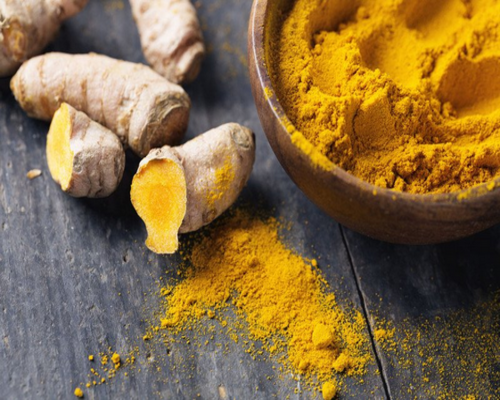
The Remarkable Health Benefits of Turmeric: Science Behind the Golden Spice
> For centuries, the golden hue of turmeric has colored traditional medicines and culinary traditions across Asia. Today, modern science is uncovering the remarkable secrets behind this ancient spice's therapeutic properties.
## 1 Introduction to Turmeric: More Than Just a Spice
Turmeric, known scientifically as *Curcuma longa*, is a vibrant golden-orange spice that belongs to the ginger family. This ancient root has been used for thousands of years in **traditional Ayurvedic medicine** and **Chinese healing practices** to treat conditions ranging from skin disorders to digestive issues . Historically, turmeric wasn't just valued for its medicinal properties—it also played important roles in **religious ceremonies** and as a **natural dye** for its rich coloring capabilities
In recent decades, turmeric has transitioned from an exotic spice found primarily in Asian cuisine to a **mainstream superfood** celebrated worldwide. The growing interest in natural health solutions and functional foods has propelled turmeric into the spotlight, with scientific researchers dedicating significant resources to validate traditional claims through rigorous study . Today, you can find turmeric in everything from **golden lattes** to **dietary supplements**, all capitalizing on its purported health benefits .
## 2 Understanding Turmeric's Key Compounds
The magic of turmeric lies in its unique chemical composition. The most celebrated active compound in turmeric is **curcumin**, which gives the spice its characteristic bright yellow color . Curcumin belongs to a group of compounds called **curcuminoids**, which are considered the primary bioactive components responsible for most of turmeric's therapeutic effects .
However, there's a significant challenge with curcumin: its **poor bioavailability**. When consumed alone, curcumin is not easily absorbed by the body. The digestive process quickly breaks down these beneficial compounds and eliminates them before they can provide maximum benefit . This is why traditional recipes often combine turmeric with **black pepper**, which contains **piperine**—a compound that enhances curcumin absorption by up to 2000% .
Additionally, because curcumin is **fat-soluble**, consuming it with healthy fats (such as oils, avocados, nuts, or seeds) can further improve its absorption . This explains why many cultural traditions that use turmeric in cooking often include it in fat-containing dishes, demonstrating an intuitive understanding of how to maximize its benefits long before modern science explained the mechanisms.
## 3 Powerful Anti-Inflammatory Effects
One of the most well-researched benefits of turmeric is its **potent anti-inflammatory** properties. Chronic inflammation is now recognized as a contributing factor to many modern health conditions, including **heart disease**, **metabolic syndrome**, and various **degenerative diseases** .
Curcumin works against inflammation at the molecular level by blocking the activation of **NF-kB**, a molecule that triggers the expression of inflammatory genes . By inhibiting this pathway, curcumin can effectively reduce the production of **inflammatory cytokines**, which are signaling molecules that promote inflammation throughout the body .
This anti-inflammatory action makes turmeric particularly valuable for managing inflammatory conditions such as:
- **Osteoarthritis and rheumatoid arthritis**: Multiple studies have shown that turmeric can help reduce joint pain and stiffness
- **Inflammatory bowel diseases**: Research suggests turmeric may help maintain remission in ulcerative colitis
- **Allergies and asthma**: The anti-inflammatory properties may help modulate immune responses
A 2016 study published in the *Journal of Clinical Gastroenterology* found that patients with ulcerative colitis who took 2 grams of curcumin daily alongside their prescription medication were significantly more likely to stay in remission compared to those taking medication alone . While turmeric won't necessarily help during an active flare-up, it may help prolong remission periods for those with chronic inflammatory conditions.
## 4 Antioxidant Properties and Fighting Free Radicals
Beyond its anti-inflammatory effects, turmeric also demonstrates **powerful antioxidant** capabilities. Antioxidants are crucial for protecting our bodies from **free radicals**—unstable molecules that can cause cellular damage, accelerate aging, and contribute to various diseases .
Curcumin has a unique double action against oxidative stress: it not only **neutralizes free radicals** directly but also **boosts the activity** of the body's own antioxidant enzymes . This one-two punch enhances the body's overall defense system against oxidative damage .
The implications of this antioxidant activity are far-reaching. oxidative damage is believed to be one of the underlying mechanisms behind **aging** and many **chronic diseases**, including cancer . By combating this damage, turmeric may offer protection at the cellular level that translates to better long-term health outcomes.
A 2019 study highlighted that turmeric's antioxidant effects can stimulate the action of other antioxidants in the body, creating a synergistic effect that helps fight oxidative stress more effectively than isolated antioxidants . This comprehensive approach to reducing oxidative damage makes turmeric a valuable addition to a health-conscious diet.
## 5 Relief from Joint Pain and Arthritis
For the millions of people suffering from joint pain and arthritis, turmeric may offer a natural approach to pain management. The **anti-inflammatory properties** of curcumin make it particularly effective for addressing the inflammation that characterizes various forms of arthritis .
Several studies have demonstrated promising results for turmeric in managing arthritis symptoms:
- A meta-analysis of randomized clinical trials found that turmeric/curcumin extracts significantly reduced pain and improved function in patients with knee osteoarthritis
- The Arthritis Foundation recommends taking 500 mg of curcumin extract twice daily to help control symptoms of osteoarthritis and rheumatoid arthritis
- Some research has found that curcumin can be as effective as over-the-counter anti-inflammatory medications for arthritis pain, with fewer side effects
Beyond arthritis, turmeric may also help with **exercise-induced inflammation** and **muscle soreness**, making it popular among athletes for enhancing recovery and performance . The dual action of reducing inflammation while providing antioxidant protection makes turmeric particularly valuable for addressing the multifaceted nature of joint and muscle pain.
## 6 Heart Health Support
Cardiovascular disease remains the **leading cause of death** worldwide , and turmeric may offer several protective benefits for heart health. The spice appears to support cardiovascular function through multiple mechanisms:
- **Improving endothelial function**: The endothelium is the lining of blood vessels, and its dysfunction is a major driver of heart disease. Curcumin has been shown to improve endothelial function, potentially enhancing blood flow and vascular health
- **Reducing inflammation and oxidation**: As chronic inflammation and oxidative stress contribute significantly to heart disease, turmeric's effects on these processes provide indirect cardiovascular benefits
- **Potential cholesterol management**: Some research suggests curcumin may help lower LDL ("bad") cholesterol levels, though more studies are needed to confirm optimal dosages and formulations
A notable 2012 study followed 121 patients who had coronary artery bypass surgery. Those who took 4 grams of curcumin daily before and after surgery experienced a **65% decreased risk** of heart attack during their hospital stay compared to the placebo group . This dramatic reduction highlights the potential cardiovascular protective effects of turmeric compounds.
## 7 Brain Health and Cognitive Function
Emerging research suggests that turmeric may provide significant benefits for brain health and cognitive function. Curcumin can **cross the blood-brain barrier**, allowing it to exert direct effects on brain tissue . This ability sets it apart from many other compounds and makes it particularly promising for neurological applications.
One of the most exciting areas of research involves **brain-derived neurotrophic factor** (BDNF), a type of growth hormone that functions in the brain. Low levels of BDNF have been linked to various brain disorders, including depression and Alzheimer's disease . Studies have found that curcumin can **increase BDNF levels**, potentially helping to reverse or protect against age-related cognitive decline .
Additional brain-related benefits of turmeric include:
- **Potential protection against Alzheimer's**: Curcumin may help clear the amyloid plaques that are characteristic of Alzheimer's disease, though human studies are still ongoing
- **Mood regulation**: Research suggests curcumin can boost levels of serotonin and dopamine, neurotransmitters that regulate mood
- **Memory enhancement**: A 2018 study found that 90 milligrams of curcumin taken twice daily for 18 months improved memory performance in adults without dementia
While more research is needed to fully understand turmeric's effects on various brain conditions, the current evidence points to significant potential for maintaining cognitive health throughout aging.
## 8 Digestive Health and Gut Function
Turmeric has a long history of use for **digestive issues** in traditional medicine systems . Modern research is beginning to validate these traditional applications, revealing how turmeric can support gastrointestinal health through multiple mechanisms.
The **anti-inflammatory and antioxidant properties** of curcumin make it particularly valuable for managing inflammatory bowel conditions such as ulcerative colitis and Crohn's disease . As mentioned earlier, research has shown that curcumin can help maintain remission in ulcerative colitis patients when used alongside conventional treatments .
Beyond specific bowel diseases, turmeric may support general digestive function by:
- **Stimulating bile production**: which aids in the digestion of fats
- **Reducing symptoms of bloating and gas**
- **Supporting a healthy balance of gut bacteria**
*Table: Turmeric's Effects on Different Body Systems*
| Body System | Benefits | Evidence Strength |
|------------|----------|------------------|
| Musculoskeletal | Reduces joint pain and inflammation in arthritis | Strong |
| Cardiovascular | Improves endothelial function, may reduce heart attack risk | Moderate |
| Nervous System | May improve memory, increase BDNF, potentially protect against Alzheimer's | Moderate |
| Digestive | Helps maintain remission in ulcerative colitis, supports digestion | Moderate |
| Immune | Antioxidant and anti-inflammatory effects support immune function | Moderate |
## 9 How to Use Turmeric Effectively
Incorporating turmeric into your daily routine can be both enjoyable and beneficial for health. Here are some practical ways to add more turmeric to your diet:
### Culinary Uses
- **Add to curries and stews**: Traditional Indian and Southeast Asian dishes naturally incorporate turmeric
- **Blend into smoothies**: A teaspoon of turmeric powder can be added to fruit or vegetable smoothies
- **Brew as tea**: Simmer fresh turmeric root or powder in water for 5 minutes, then strain and add lemon and/or honey to taste
- **Season roasted vegetables**: A pinch of turmeric can add both color and health benefits to roasted vegetables
- **Mix into rice or grain dishes**: Turmeric adds beautiful color and subtle flavor to rice, quinoa, or barley
### Enhancing Absorption
To maximize the benefits of turmeric:
- **Always combine with black pepper**: The piperine in black pepper can enhance curcumin absorption by up to 2000%
- **Consume with healthy fats**: Since curcumin is fat-soluble, eating it with fats like olive oil, avocado, or coconut milk improves absorption
- **Consider heat application**: Some research suggests that heating turmeric may increase its bioavailability, though more studies are needed
### Supplement Considerations
For those considering turmeric supplements:
- Look for products that include **piperine** (black pepper extract) to enhance absorption
- Choose reputable brands that undergo **third-party testing** for purity and potency
- Typical supplemental doses range from **500-2,000 mg** of curcumin per day
- **Consult with a healthcare provider** before starting any new supplement regimen, especially if you have existing health conditions or take medications
## 10 Precautions and Potential Interactions
While turmeric is generally safe when consumed in culinary amounts, there are important precautions to consider, especially with higher-dose supplements:
### Medication Interactions
Turmeric supplements may interact with several types of medications:
- **Blood thinners** (e.g., warfarin, aspirin): May increase the risk of bleeding
- **Diabetes medications**: May potentiate blood sugar-lowering effects, increasing hypoglycemia risk
- **Acid-reducing medications** (e.g., omeprazole, cimetidine): Turmeric may interfere with their effectiveness
- **Chemotherapy drugs**: Particularly avoid with camptothecin, mechlorethamine, doxorubicin, and cyclophosphamide
### Health Conditions
People with certain health conditions should exercise caution with turmeric supplements:
- **Gallbladder disease**: Turmeric may worsen symptoms
- **Kidney stones**: High doses may increase oxalate levels, potentially raising kidney stone risk in susceptible individuals
- **Iron deficiency**: Turmeric may interfere with iron absorption
### Other Considerations
- **Pregnancy and breastfeeding**: While culinary use is likely safe, high-dose supplements should be avoided during pregnancy and breastfeeding due to insufficient safety data
- **Surgery**: Discontinue turmeric supplements at least two weeks before scheduled surgery due to potential effects on blood clotting
- **Gastrointestinal issues**: High doses may cause stomach upset, nausea, or diarrhea in some people
*Table: Turmeric Supplement Safety Considerations*
| Situation | Precaution | Reason |
|-----------|------------|--------|
| Taking blood thinners | Avoid supplements or use only under medical supervision | Increased bleeding risk |
| Prior to surgery | Discontinue supplements 2 weeks before procedure | Potential increased bleeding risk |
| Gallbladder disease | Avoid supplements | May worsen symptoms |
| Pregnancy/Breastfeeding | Avoid high-dose supplements; culinary use acceptable | Limited safety data |
| Kidney issues | Use caution with high doses | May increase oxalate production |
## 11 Conclusion: Incorporating Turmeric Wisely
Turmeric, with its vibrant color and impressive array of health benefits, represents a fascinating convergence of traditional medicine and modern science. The evidence supporting its **anti-inflammatory**, **antioxidant**, and potentially **neuroprotective effects** continues to grow, offering a natural approach to supporting overall health and preventing chronic disease.
While the benefits are promising, it's important to maintain perspective. Turmeric is not a **magic bullet** or replacement for conventional medical treatments when needed. Rather, it's best viewed as one component of a **comprehensive health strategy** that includes a balanced diet, regular exercise, adequate sleep, and appropriate medical care.
When incorporating turmeric into your lifestyle:
- **Start with culinary uses** by adding the spice to foods and beverages
- **Be patient**—some benefits may take weeks or months to become noticeable
- **Consult with healthcare providers** if considering high-dose supplements, especially if you have health conditions or take medications
- **Choose high-quality sources** whether purchasing fresh roots, powder, or supplements
As research continues to evolve, we will likely gain even deeper insights into how this ancient spice can support modern health. For now, turmeric offers a safe, enjoyable, and potentially beneficial addition to most people's diets—a golden opportunity to spice up your health routine while honoring centuries of traditional wisdom.
## References
The information in this article is based on recent research and expert opinions from reputable medical institutions, including Johns Hopkins Medicine, Harvard Health Publishing, Cleveland Clinic, and the National Center for Complementary and Integrative Health (NCCIH). For those considering turmeric supplements, especially for specific health conditions, consultation with a healthcare professional is recommended to determine the most appropriate and safe usage.


 Health & Beauty
 Books
Books Weight Loss
 Hair Loss